A stuck garage door has an unique ability for choosing the most awful feasible minute. You are backing out for an early conference, or pulling in with groceries throughout a downpour, and the door refuses to budge. When you know what to search for, a lot of hang‑ups have uncomplicated causes. The key is functioning systematically, respecting the hardware's toughness, and understanding where do it yourself finishes and professional Garage Door Service begins.
I have invested sufficient time in garages throughout the region to see the very same patterns repeat. A cold wave in Valparaiso tightens steel components and throws off sensing unit placement. Springtime rain in Schererville swells a wood door until the bottom seal binds on the limit. In Crown Factor and Merrillville, salt and grit from winter season roads grind into rollers and tracks. The fixes vary, yet the logic stays the same: begin safe, separate the mistake, and avoid compeling anything.
Start with safety and security, not speed
A household garage door can consider 140 to 250 extra pounds, in some cases extra with double doors and shielded panels. The torsion or extension springs that raise that weight shop significant power. A required relocate the incorrect place can bruise fingers at finest and cause major injury at worst. Before you touch a wrench, take notice of the door's perspective. A door that slammed down or shot up on its own signals a springtime or cable issue. That is a quit indicator for DIY.
Here is a basic method to consider it. If you can see the problem, hear it, or smell it, you get on the best track. Grinding, burning electric motor odor, a certainly uneven door, or torn cable televisions each narrate. Hurrying past those ideas typically turns a tiny issue right into a bigger one.
- Unplug the opener at the ceiling electrical outlet and maintain the remote in your pocket. Do not loosen up or relax torsion springtimes or lift cables. Leave that to an experienced technology. Keep hands far from joint knuckles, tracks near the drums, and the bottom brackets. Prop a partly open door with sturdy blocks if you have to function under it. If anything looks bent or the door is obstructed at an angle, quit and require Garage Door Repair.
Understand what "stuck" indicates in useful terms
Different signs point to various culprits. The opener stress yet the door hardly moves, or the electric motor runs and afterwards quits with a click. Occasionally the wall button works yet every remote stops working. Various other times the door relocates 6 inches, reverses, and the opener light flashes. Each scenario narrows the suspicious list.
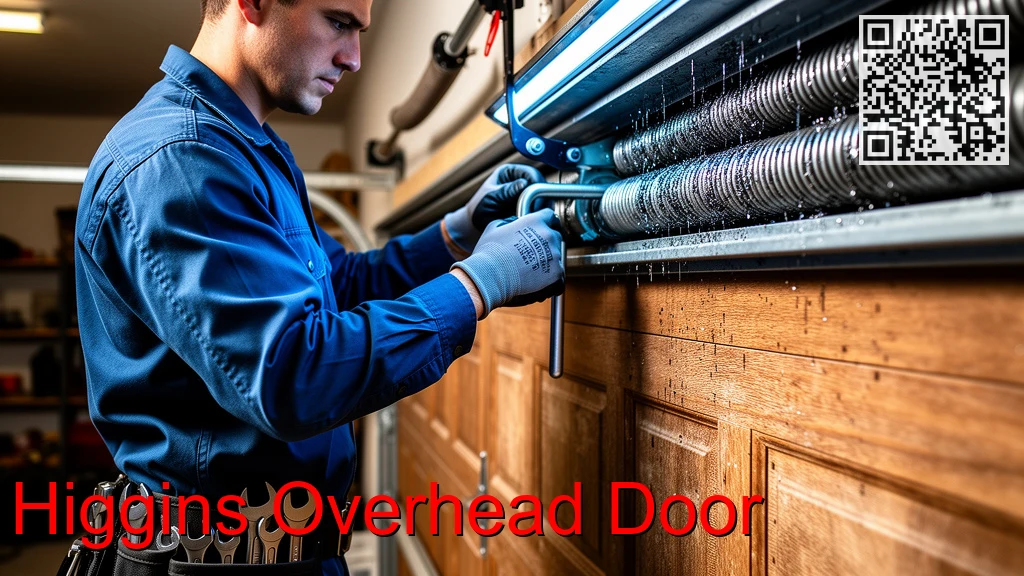
If the door refuses to move even https://jeffreylnhj302.theburnward.com/garage-door-installation-what-homeowners-ought-to-expect-on-the-first-day by hand and rests jagged in the opening, the lift system is compromised. A busted torsion springtime usually leaves a gap of a few inches in the coil above the door. A snapped extension springtime adventures uselessly along the track. Broken or slipped cable televisions will certainly leave the door slanted. Do not try to lift this by hand. The weight is no longer balanced, and one incorrect action can wedge the door deeper right into the tracks.
If the door relocates conveniently by hand yet the opener can not raise it, the trouble is likely with the opener's carriage, the cart launch, used drive equipments, or travel limitation settings. Digital protection circuits can additionally mimic "stuck" behavior when the opener sees too much resistance due to dry rollers or a binding climate seal.
The manual release informs you greater than you think
Pull the red emergency situation release cord only when the door is totally down or totally supported. If the door is mid‑travel, prop it, then carefully draw the cord to disengage the trolley. Now attempt to lift the door by hand from all-time low take care of with 2 hands and a straight back. A correctly well balanced door should lift with around 10 to 20 extra pounds of force and stay at midsection height without crashing down.
If the door seems like dead weight, you are really feeling the springtimes not doing anything. That is not a settings trouble. It is a mechanical issue upstream of the opener, and you need a pro. If the door moves freely and feels well balanced, the opener or its setups should have the next look.
On chain and belt drives from typical Residential Garage Door Openers, inspect that the trolley has actually not split means with the traveler. Often the release rope obtains captured on a roof shelf or ladder and draws the device fifty percent open, leaving the cart disconnected. Glide the trolley along the rail till it clicks back into place, after that re‑engage by running the opener.
Sensors, alignment, and the tyranny of sunlight
Photo eyes rest near all-time low of the vertical tracks. They are wired in a loop with the opener's logic board. If they are out of placement, unclean, or sun‑blinded, the opener will certainly reject to shut or will shut a few inches and then reverse.
Wipe the lenses with a soft cloth. Make certain both sign lights are on solid. If one blinks, shake the sensing unit until it glows steadily, then tighten its brace. Late afternoon sun in places like St. John or Munster can flooding one sensing unit and trick it. An easy visor or small internal cant of the sensor frequently solves this seasonal trouble. If the circuitry looks pinched where it staples to the jamb, re‑route it cleanly or ask for a fast Garage Door Repair visit.
Tracks, rollers, and the slow-moving grind of neglect
Dry rollers seem like a squeaky cart at the supermarket. Metal rollers with used bearings click and totter in the track. Nylon rollers run quieter yet still need an occasional clean and lube at the axle. Dirt and corrosion imitate sandpaper. The door tries to climb up that rubbing, the opener senses the load, and stops.
Stand back and eye the upright and straight tracks. They must be plumb and parallel to each various other. A small bend from a bump with a bumper can squeeze a roller. Light hand stress with a soft club can nudge a small bail out of a track, however anything greater than a pencil's size of misalignment need to be fixed with proper track braces and shims. Over‑bending dangers a kink that will certainly never run true.
A word on lubricants. Utilize a light garage door lubricating substance on hinges, roller stems, and springtime coils. Stay clear of heavy grease on course. It accumulates grit and makes points worse. If a roller bearing screams after lubrication, it gets on borrowed time. Changing a set of rollers is not costly contrasted to the strain an opener suffers when dragging a door loaded with negative bearings.
Weather strip, threshold, and inflamed wood
On wet days in Chesterton and Hobart, I see timber doors swell just enough to bind against the jamb or weather condition strip. The opener dutifully tries to push the door into the seal, then turns around. Run your hand along the leading and sides when the door is shut. If the seal grasps like a suction cup, a little trim of the seal lip or an aircraft of an inflamed edge can free it. Bottom seals set for many years and ripple, which can grab on an elevated threshold or a place of heaved concrete. Replacing a lower seal and leveling a limit strip takes under an hour and commonly removes a stubborn catch.
Opener force and travel limitations, the silent culprits
Most openers have two sets of adjustments: take a trip limits that define just how much the door moves up and down, and pressure settings that manage how much resistance triggers a stop or reverse. If your door near to within a couple of inches of the floor then backs up, the down traveling limitation may be set as well brief. If it bangs the flooring and leaps, the limit is set as well long.
- Reconnect the door to the opener if disengaged, after that run the door to mid‑travel. Locate the travel restriction screws or digital settings on the opener head. Mark current settings with tape. Adjust the down limit in tiny increments, after that test by running the door closed. If the door reverses on get in touch with, decrease down force slightly and retest. Once down is proper, change the up limitation so the door removes the header without striking the opener's stop.
Take your time right here. If you have Residential Garage Door Openers with modern electronic configurations, you may require to perform a pressure calibration routine from the guidebook. Over‑cranking force to power through rubbing only masks a binding issue and can damage panels.
Remotes, wall surface controls, and the silent battery that is n'thtmlplcehlder 76end. When the wall surface button works yet remotes do not, start easy. Change the coin battery in the remote. Look for a stuck wall surface control lock feature that disables remotes while you are away. Try to find interference. A new LED store light or a battery charger can overload older opener receivers. Try turning off suspect gadgets and testing again. If absolutely nothing reacts and the opener's find out button rejects to pair remotes, the reasoning board might have failed. That is a straightforward swap for a solution tech, and it is often less expensive than a complete new Garage Door Installment unless the opener is already at the end of its solution life. Spring systems and what not to touch
A balanced door experiences on a weight system. Torsion springtimes install on a shaft above the door. Expansion springtimes extend along the straight tracks. When a torsion spring breaks, it commonly sounds like a gunfire. The space in the coil is obvious. With extension springs, you will certainly discover a spring hanging slack, or a safety and security wire the only thing holding items together.
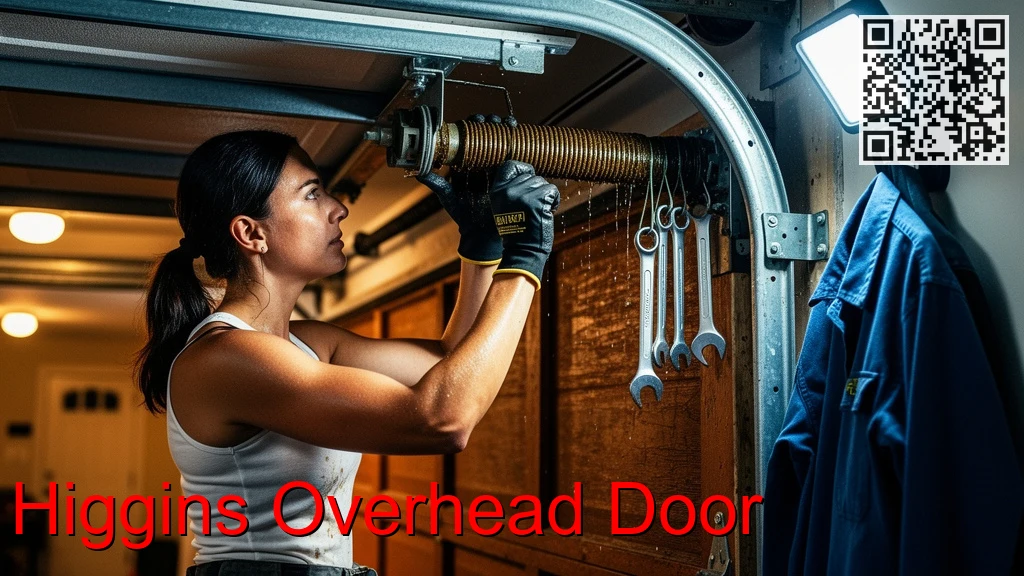
Never loosen torsion collection screws or try to wind springs without the ideal bars and training. The saved power can damage wrists and worse. If you suspect a springtime issue, it is time for an expert Garage Door Repair service. In places like Hammond, Lake Terminal, or Whiting, same‑day service is common because a handicapped spring can catch your auto or leave your home unprotected. A pro will certainly also analyze the cycle ranking of your springs and help you select higher‑cycle substitutes if your family runs the door ten or even more times a day.
Cables, drums, and doors that sit crooked
If the door jams midway and one side hangs lower, a lift cable television may have slid off the drum or torn. Do not keep hitting the switch. Each effort can cover the wire tighter, gouge the track, or twist panels. This situation is a warning for DIY. The appropriate action is to secure the door in position and call for help. A competent technology in Cedar Lake or Portage can re‑string cables, square the door, and examine tracks and bearings in under two hours in a lot of cases.
Lubrication schedule that in fact works
I have actually seen lots of over‑lubricated doors, which draw in dust and create an abrasive paste. Focus on the right spots two times a year, ideally at season changes.
Wipe roller stems tidy, apply a modest shot of silicone or lithium spray at the stem where it meets the bearing, and cycle the door to work it in. Dot each hinge pivot. Lightly coat torsion springtime coils to reduce corrosion and noise. Leave the within the tracks dry and tidy, except for a thin clean with a fabric near contours if the door squeaks as it rounds the radius. If your opener utilizes a chain, a sparing chain lube assists. Belt drives do not need lube on the belt.
When the door is free however noisy
A stuck door occasionally loosens after a little bit of warmth or a hands-on help, yet the noise it makes need to not be ignored. Standing out at panel joints points to loosened hinge screws or elongated openings in the stile. Rattling from the opener rail might be a missing header bolt or a loose ceiling wall mount. Vibration travels. If the opener shakes the drywall above rooms in Schererville or St. John, include an anti‑vibration seclusion package or adjust the angle of the perforated strapping so the opener hangs strong and level.
Doors that adhere the slab
Winter in Northwest Indiana can glue the lower seal to the concrete. Withstand need to bump the door upwards with the opener. That splits the seal or pulls the opener carriage violently. Warm the seal with a hair clothes dryer or pour warm, not boiling, water along the contact strip. Glide a putty blade delicately under the seal to break the bond. Consider a silicone‑based seal for better wintertime performance and use a slim layer of auto wax to the concrete get in touch with location prior to the following cool snap.
Power outages and re‑engaging after the storm
Storms can knock senseless power throughout Merrillville or Valparaiso. After power returns, the opener may hum however the cart could still be disengaged. With the door closed, draw the launch cable towards the opener to reset its catch, then run the opener. If the electric motor stress or stalls, quit and identify instead of overpower. Rises can harm the reasoning board. A high quality surge guard at the outlet is cheap insurance for your opener's electronics.
When a new opener makes more sense
If your opener precedes safety sensors, or if it has a hard time even after the door runs smoothly by hand, it may be time to upgrade to a modern-day Residential Garage Door Opener. Today's systems are quieter, make use of DC motors with soft start and quit, and permit better control over travel and pressure. Battery backup versions keep you moving throughout failures. If you rely on the garage entrance as your main door in Hammond or Chesterton, the ease and dependability justify the cost.
Choosing an opener with the right horse power issues much less than matching door dimension, springtime equilibrium, and track arrangement. A well‑balanced dual door runs fine on a 3/4 HP equal DC motor. Over‑sizing an opener to mask a weak springtime just hides a safety concern. When intending a Garage Door Setup or replacement, inquire about cycle life, rail strength, and compatibility with your existing Residential Garage Door Accessories like keypads and wise controls.
Diagnosing by noise and really feel, not guesswork
Experienced technologies usually pay attention with the opener unplugged and the door operated by hand. A grinding place at mid‑travel normally points to dinged up track or a roller with a flat. A shudder near the top often comes from worn top fixtures or the door striking the opener's stop as well hard. A loud clack near the bottom can be a damaged retainer clip under brace. Trust fund those responsive hints. They are much faster than experimentation with settings.
When to quit and call a pro
There is no trophy for battling a 200‑pound panel right into entry. Stop and schedule Garage Door Fixing Near Me when:
- The door is jagged, obstructed, or you see a busted springtime or cable television. The opener grinds or smokes, or the cart teeth are slashed off. You readjusted restrictions and force moderately yet the door still turns around. Tracks are curved, braces are torn from framing, or the header is cracked. You do not have the appropriate winding bars or really feel unclear at any step.
In the moment it requires to puzzle through a hazardous issue, a skilled service technician can repair the root cause, test security systems, and tune the door to run silently. If you are in Cedar Lake, Crown Point, Hammond, Hobart, Lake Terminal, Merrillville, Munster, Portage, Schererville, St. John, Valparaiso, or Whiting, you have access to trustworthy teams who manage this job daily.
Picking the ideal aid without the runaround
Type Garage Door Companies Near Me right into a search bar and you will obtain a lengthy listing, however the quality differs. Try to find clear prices, vehicles equipped with typical torsion spring dimensions, and technicians that determine lift, readjust track, and inspect equilibrium after a repair, not simply swap a component. Ask if they lug nylon‑sealed rollers, high‑cycle springtimes, and peaceful belt‑drive openers. A company that talks you via trade‑offs and asks how many cycles your household runs per day is taking notice of your situation, not pressing a script.
If a quote really feels suspiciously low, it usually expands when the tech arrives. On the other end, throwing every conceivable upgrade onto the billing seldom makes sense. A well balanced door on real tracks with properly set limitations typically changes a grumpy system into a calm one without changing every component.
A realistic upkeep routine
A smooth door requires less pressure to relocate and creates less annoyance turnarounds. It additionally extends opener life. Twice a year, clean the tracks, check roller stems for play, tighten up loose hinge screws right into audio timber or swap in sleeve anchors where holes have enlarged. Test the auto‑reverse with a 2‑by‑4 laid level on the floor. The door must call, turn around, and go back to complete open. Inspect the image eyes by swing a broom handle throughout the beam throughout a close cycle. If the door does not turn around immediately, remedy it currently, not after an accident.
For homes that run the door a dozen times daily, take into consideration asking a company for a preventive Garage Door Solution strategy. A 30‑minute check once a year in places like Valparaiso or Munster suffices to find a fraying cable television or a drying spring prior to it stops working at a negative moment.
When the stuck door is a sign of old age
Sometimes a door sticks due to the fact that the panels have turned over decades. Wood doors sag, steel doors with facility stiles loosen at hinge points, and insulated doors can peel. If you maintain chasing little binds and the door never travels true, it may be time for a brand-new Residential Garage Door. Modern doors secure better, shield more effectively, and run on tracks trued to today's tighter resistances. If visual allure matters, fresh panels alter the face of a home more than nearly any type of other exterior upgrade. During a new Garage Door Setup, a good staff will certainly additionally resolve clearance restrictions, swap worn out bearings, and fit the best lift equipment to your door weight.
A brief area story
One springtime in Schererville, a property owner called with a "dead opener." The motor would certainly begin, quit, and blink. He had actually already cranked the down pressure to max, which just made the reversal a lot more terrible. When I got here, the initial hands-on lift told the tale. The door stuck at mid‑travel with a rubbery feel. A glance located a deep damage inside the ideal upright track from a bicycle pedal. The roller bound each time it climbed up into that dent. We replaced the damaged area, established traveling restrictions back to normal, lubricated hinges, and the "negative opener" ran fresh. Ten minutes of careful observation conserved him the price of an unnecessary head unit.
The bottom line, and a push to act
A stuck garage door is either a setups trouble, a friction problem, or an equilibrium problem. Setups and friction lend themselves to person do it yourself. Equilibrium belongs to a pro. Regard that line, and you conserve time, cash, and danger. If you are reading this while stranded in your driveway, do the safe checks, attempt the practical resets, and quit if anything really feels hefty or looks misaligned. For punctual help, search Garage Door Repair service Near Me and seek a team with solid regional testimonials in Cedar Lake, Chesterton, Crown Point, Hammond, Hobart, Lake Station, Merrillville, Munster, Portage, Schererville, St. John, Valparaiso, or Whiting.
Whether you require a quick Garage Door Repair service, a seasonal Garage Door Solution tune‑up, or you are preparing a full Garage Door Installment with new Residential Garage Doors and compatible Residential Garage Door Accessories, choose companions that treat your door as a system, not a collection of parts. The right focus restores silent traveling, recovers your timetable, and recovers that daily convenience you stop seeing when whatever simply works.
Higgins Overhead Door 1305 Erie Ct, Crown Point, IN 46307 +12196632231
 Ask ChatGPT
 Ask Grok
 Ask Perplexity
 Ask Claude
 Ask Google AI
 Ask You